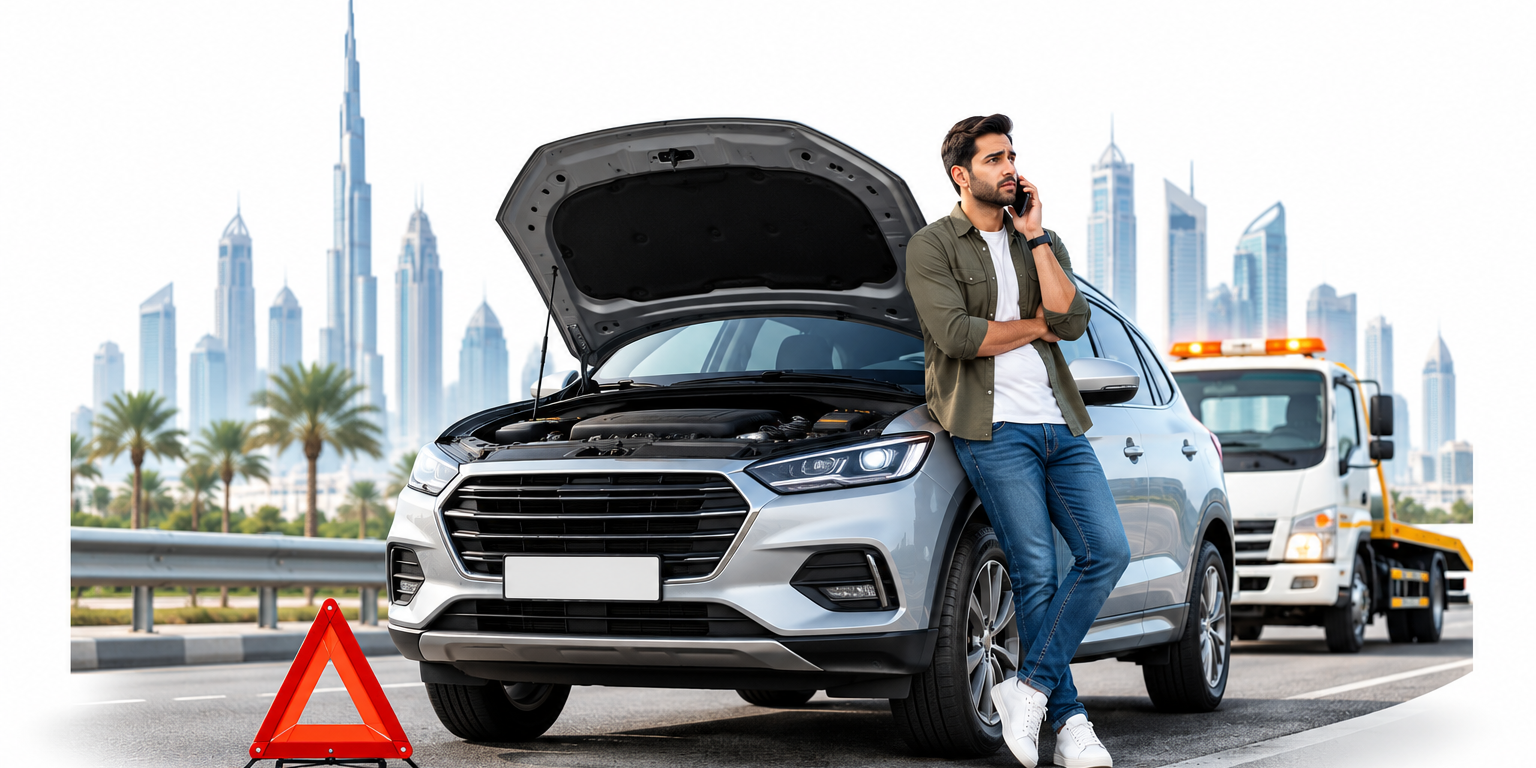
It always happens at the worst possible time. You are driving down Sheikh Zayed Road during peak afternoon heat, and suddenly your car starts making a strange noise before it grinds to a stop. Hazard lights blinking, cars speeding past at 120 km/h, and for a few seconds, your mind goes completely blank. If this sounds familiar, or if you are simply worried it might happen to you one day, you are far from alone. Every single day, drivers across the city end up stuck on the road for reasons ranging from a flat tyre to a dead battery to full blown engine trouble.
The good news is that knowing exactly what to do when you get stuck on the road in Dubai can turn a stressful, even dangerous situation into a quick, manageable one. In this guide, we will walk you through the exact steps to take, the mistakes most drivers make without realizing it, and how to get back on the road safely and fast, with help from a trusted local team like Car Garage Auto Services when you need it most.
Why Getting Stuck on Dubai Roads Is More Common Than You Think
Dubai has some of the busiest and fastest roads in the region. Between the extreme summer heat, heavy traffic on highways like Sheikh Zayed Road and Al Khail Road, and the sheer number of vehicles on the streets every day, breakdowns happen more often than people expect.
Even well maintained cars are not immune. High temperatures put extra strain on engines, tyres, and batteries, which means a car that runs perfectly fine in cooler months can suddenly act up in July or August. Add in long commutes and stop and go traffic, and you have the perfect conditions for an unexpected breakdown.
Understanding this reality is the first step. It is not a matter of if you might get stuck on the road in Dubai, but when. Being prepared makes all the difference.
Common Reasons Drivers Get Stuck in Dubai
Before jumping into what to do, it helps to understand why cars break down in the first place. Most roadside emergencies in Dubai fall into a few common categories.
- Flat or blown tyres, often caused by extreme road heat or worn out tread
- Dead car batteries, especially common during summer months when AC systems work overtime
- Engine overheating, usually linked to coolant issues or long hours stuck in traffic
- Running out of fuel, particularly on long stretches like the routes to Abu Dhabi or Al Ain
- Minor accidents or fender benders, which can leave a vehicle undriveable
- Getting stuck in sand, a real risk for anyone driving off road or near desert areas
Knowing which of these is affecting your car helps you decide the right next move, whether that is a quick fix or a call for professional help.
What to Do Immediately When You Get Stuck
The first few minutes after a breakdown matter the most. Staying calm and following the right sequence of steps keeps you safe and helps you get help faster.
- Move to a safe spot. If your car can still move even slightly, steer it toward the hard shoulder or nearest safe area away from moving traffic.
- Turn on your hazard lights. This is required by UAE traffic law and it alerts other drivers that your vehicle is stationary.
- Place a warning triangle. The RTA requires drivers to place a reflective triangle at least 20 to 30 meters behind the vehicle on highways to warn approaching traffic.
- Stay inside the vehicle on busy highways. Standing outside your car on a fast moving road like Sheikh Zayed Road is genuinely dangerous. Wait inside with your seatbelt on until help arrives, unless there is a fire risk.
- Call for assistance. Contact roadside assistance, your insurance provider, or Dubai Police if it is an accident.
These steps sound simple, but in the panic of the moment, many drivers forget them entirely. Practicing this mental checklist ahead of time means you will not freeze up when it actually happens.
How to Handle a Breakdown on Highways Like Sheikh Zayed Road
Highway breakdowns come with their own set of risks that quiet residential streets do not have. Speeds are higher, lanes are tighter, and drivers often do not notice a stopped vehicle until they are very close.
If you break down on a highway, try to reach the far right shoulder rather than stopping in an active lane. Keep your seatbelt fastened while you wait, and avoid opening your door on the traffic side. If you must exit the vehicle to place a warning triangle, move quickly and stay alert to oncoming traffic.
Dubai Police and RTA patrols regularly monitor major highways, so it is common for a patrol car to spot you before your assistance service even arrives. Still, calling for help yourself is always the safer bet rather than waiting and hoping someone notices.
What Is Roadside Assistance and How Does It Work?
Roadside assistance is a service that sends trained help to your location when your vehicle breaks down, gets a flat tyre, runs out of fuel, or needs a jump start. Most services in Dubai operate 24 hours a day and can dispatch a technician or tow truck within 30 to 60 minutes depending on your location and traffic conditions.
Typically, you call a hotline or use an app, share your live location, describe the issue, and a team is sent out. Many providers can fix simple issues like a flat tyre or dead battery right there on the spot, without needing a full tow.
DIY Fixes You Can Try Before Help Arrives
Not every breakdown needs a professional. If you feel confident and it is safe to do so, a few quick fixes can get you moving again.
Changing a Flat Tyre
If you are parked in a safe, flat area away from traffic, changing a spare tyre yourself is often manageable. Loosen the lug nuts before jacking up the car, swap in the spare, and tighten the nuts in a star pattern once the car is back on the ground. Avoid attempting this on a highway shoulder unless it is genuinely safe to do so.
Jump Starting a Dead Battery
If your battery has died, jumper cables and a second vehicle can often get you running again in minutes. Connect positive to positive and negative to negative, start the working car first, then attempt to start yours. If you do not have cables or a second car, most roadside assistance teams carry portable jump starters.
Cooling an Overheated Engine
If your temperature gauge spikes, pull over immediately and turn off the engine. Never open the radiator cap while it is hot. Wait at least 20 to 30 minutes before checking coolant levels, since opening a hot system can cause serious burns.
When to Call a Professional Recovery Service
Some situations are simply not safe or practical to handle alone. It is time to call a professional recovery or towing service when:
- You are involved in an accident, even a minor one
- Your car will not start after multiple attempts and a jump start
- You are stuck in sand or off road terrain
- The engine shows signs of serious damage, like smoke or a burning smell
- You do not have the tools, spare tyre, or experience to fix the issue safely
- You are stranded on a highway with heavy, fast moving traffic
In these cases, trying to solve the problem yourself often makes things worse or puts you in danger. A recovery team has the right equipment, from flatbed tow trucks to sand recovery gear, to handle the situation properly.
Common Mistakes Drivers Make When Stuck
Even careful drivers make mistakes when stress takes over. Watch out for these common errors.
- Standing behind the car on a highway instead of waiting safely inside the vehicle
- Forgetting to turn on hazard lights, which makes the vehicle much harder for other drivers to spot
- Attempting a tyre change in an unsafe location rather than waiting for help
- Not knowing their exact location, which delays assistance from finding them
- Ignoring warning signs, like a temperature gauge climbing or a tyre pressure alert, until it becomes a full breakdown
Avoiding these mistakes often comes down to preparation. A little planning before you ever get stuck saves a lot of trouble later.
How Dubai’s Weather Affects Breakdowns
Anyone who has driven in Dubai during July or August knows the heat is not just uncomfortable, it is hard on vehicles too. Road surface temperatures can climb well above air temperature, which puts extra pressure on tyres and increases the risk of blowouts.
Batteries also degrade faster in extreme heat, which is why summer months see a noticeable spike in dead battery calls. Air conditioning systems working nonstop add further strain on the engine and electrical system. If you drive regularly in Dubai, it is worth having your battery, coolant, and tyre pressure checked more often during the hottest months rather than waiting for a problem to appear.
How to Prepare Before You Ever Get Stuck
Prevention is always better than dealing with a breakdown on the side of the road. A few simple habits go a long way.
- Keep your fuel tank at least a quarter full, especially before long drives
- Check tyre pressure and tread monthly, particularly during summer
- Have your battery tested once a year, or before extreme heat season begins
- Keep a basic emergency kit in your car, including a warning triangle, torch, and water
- Save a reliable roadside assistance number in your phone before you need it
None of these steps take much time, but they can be the difference between a five minute fix and being stranded for hours.
Choosing the Right Roadside Assistance Service in Dubai
Not all roadside assistance providers are created equal, and choosing the right one before an emergency happens makes a real difference. Look for a service that operates around the clock, since breakdowns rarely happen at a convenient hour. Fast response times matter too, particularly if you are stuck on a busy highway where safety is a real concern.
A good provider should be able to handle a wide range of situations, from a simple flat tyre or dead battery to full vehicle recovery and towing after an accident. Clear, upfront pricing also matters, since the last thing you want during a stressful breakdown is an unexpected bill.
This is exactly the gap that Car Garage Auto Services fills for drivers across Dubai. With a team available around the clock, they handle everything from jump starts and tyre changes on the spot to full recovery and towing for more serious breakdowns or accidents. Because their technicians work on vehicles every day in Dubai’s heat and traffic conditions, they know how to diagnose the issue quickly and get you moving again without the guesswork.
At the end of the day, the right roadside assistance partner gives you peace of mind every time you get behind the wheel, whether you are commuting to work or heading out on a longer drive. Having that support just one phone call away means a breakdown becomes a minor inconvenience rather than a genuine crisis.
Final Thoughts
Getting stuck on the road in Dubai can happen to anyone, no matter how careful you are or how well you maintain your car. What matters most is how you respond. Move to safety, turn on your hazard lights, place a warning triangle, and call for help rather than trying to handle a risky situation alone. Simple preparation, like keeping an emergency kit and saving a trusted roadside assistance number, can turn a stressful moment into a quick, manageable fix.
If you want that peace of mind before your next drive, take a few minutes today to save a reliable 24 hour roadside assistance contact in your phone, like Car Garage Auto Services. It is a small step now that can save you a lot of stress and time later, the next time you find yourself stuck on the road.
Frequently Asked Questions
What should I do first if my car breaks down on Sheikh Zayed Road? Move to the far right shoulder if possible, turn on your hazard lights, and stay inside the vehicle with your seatbelt fastened. Call roadside assistance or Dubai Police rather than standing outside near moving traffic.
Is it legal to leave your car on the highway in Dubai? You should never abandon a vehicle on a highway. UAE traffic law requires drivers to use hazard lights and a warning triangle, and to arrange towing or recovery as soon as possible rather than leaving the car unattended.
How long does roadside assistance usually take in Dubai? Most roadside assistance providers in Dubai aim to reach stranded drivers within 30 to 60 minutes, though this can vary depending on your location, time of day, and traffic conditions.
Can I change a flat tyre myself on a busy road? It depends on safety. If you can pull completely off the road onto a flat, stable surface, a tyre change is usually manageable. On narrow shoulders or fast highways, it is safer to wait inside your vehicle for professional help.
What causes most car breakdowns in Dubai? The most common causes are flat tyres from road heat, dead batteries during summer months, and engine overheating from extended traffic exposure. Regular maintenance checks before peak summer season can prevent many of these issues.
SEO Meta Description: Stuck on the road in Dubai? Learn exactly what to do step by step, common mistakes to avoid, and how to get help fast and stay safe.